March 20, 2026
In today's fast-paced world, people rely heavily on their vehicles for daily commuting, road trips, and other important tasks. As such, ensuring the longevity of these vehicles is crucial not just for convenience but also for safety and financial reasons. Let's explore the various facets of automotive repair and care and why consistent repair practices are invaluable. By adhering to regular maintenance schedules, you can optimize performance, ensure safety, and enhance resale value.
Preventive Maintenance
What Is Preventive Maintenance?
Preventive maintenance is a proactive approach to vehicle care that involves routine checks and services to prevent larger, more expensive problems. It includes regularly scheduled tasks such as oil changes, tire rotations, and brake inspections. By focusing on maintaining vehicle components, preventive maintenance aims to reduce the risk of failures and extend the lifespan of the vehicle. This approach is not just about fixing issues as they arise, but about catching them before they develop into significant problems. Preventive maintenance not only saves time but also reduces the likelihood of unexpected breakdowns.
Why Is It Important?
The significance of preventive maintenance cannot be overstated, as it directly impacts vehicle reliability and safety. Regular maintenance can lead to improved fuel efficiency, performance, and a longer lifespan for vehicle components. According to Kelley Blue Book, the average vehicle on United States roads is now nearly 13 years old, underscoring the importance of regular upkeep to keep these older cars reliably on the road. Ignoring regular maintenance increases the risk of failures that can lead to costly repairs or even accidents. Proactively managing vehicle health through preventive measures is essential to mitigating these risks.
Common Preventive Maintenance Tasks
Common preventive maintenance tasks include oil changes, filter replacements, and fluid level checks, each of which plays a crucial role in vehicle performance. Oil changes help in lubricating the engine, preventing excess wear and tear. Replacing air and fuel filters ensures the engine remains clean and efficient. Other tasks include inspecting and rotating tires, as well as checking brake pads to ensure a smooth driving experience. These routine tasks are simple yet incredibly effective at preserving vehicle health.
Cost Benefits of Preventive Care
While preventive maintenance involves upfront costs, it proves more cost-effective in the long run. Addressing minor issues before they escalate can prevent larger, more expensive repairs. For instance, a simple oil change is significantly cheaper than replacing an entire engine due to negligence. Furthermore, well-maintained vehicles tend to have higher fuel efficiency, resulting in savings at the pump. Investing in regular maintenance is far more economical than emergency fixes.
Developing a Maintenance Schedule
Creating a comprehensive maintenance schedule is a fundamental step in implementing preventive care. This schedule should outline specific tasks such as oil changes, tire rotations, and filter replacements, with corresponding mileage or time intervals. Consulting the vehicle's manual provides valuable guidance on manufacturer-recommended maintenance points. A well-organized schedule allows vehicle owners to plan and budget effectively for routine services. Consistency and adherence to this schedule are crucial for maximizing the benefits of preventive maintenance.
Engine Efficiency and Performance
The Impact of Regular Oil Changes
Regular oil changes play a vital role in maintaining engine efficiency, as oil serves as the lifeblood of an engine. Over time, engine oil breaks down and accumulates contaminants, reducing its effectiveness in lubricating engine components. By following a routine oil change schedule, drivers can ensure that their engines run smoothly and efficiently. The benefits include reduced engine wear, improved fuel efficiency, and prolonged engine life. Neglecting oil changes, on the other hand, can lead to increased friction and damage to engine components, which may require the help of an automotive repair professional.
Tune-Ups and Their Role in Engine Health
Tune-ups are an essential part of maintaining engine performance, comprising various checks and replacements that optimize the engine's operation. Regular tune-ups involve inspecting spark plugs, ignition wires, and air intake systems, ensuring optimal performance. By addressing minor issues during tune-ups, vehicle owners can prevent more severe engine problems from developing. A well-tuned engine runs more efficiently, ultimately reducing emissions and fuel consumption. In the long run, regular tune-ups contribute to a longer engine lifespan.
Diagnosing and Fixing Engine Warning Signs
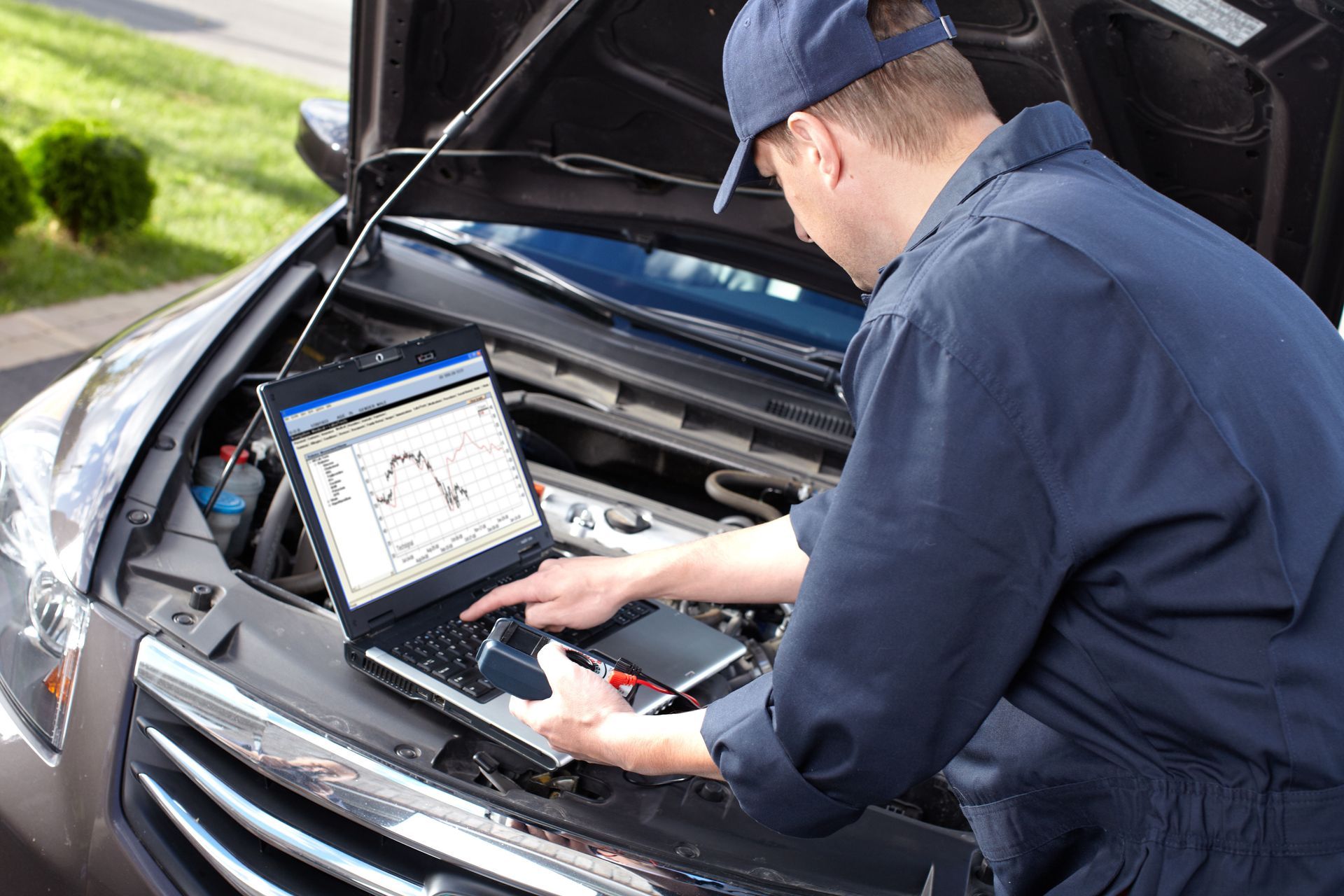
Recognizing and addressing engine warning signs is crucial to avoiding significant and costly repairs. Common indicators include warning lights on the dashboard, unusual noises, and changes in engine performance. Ignoring these signs can result in severe damage, leading to expensive automotive repair services or complete engine failure. Regular diagnostics help identify issues early and enable prompt corrective action. Proactive diagnosis and repair of engine problems are key strategies in maintaining vehicle reliability and performance.
Fuel System Maintenance for Optimal Performance
Maintaining the fuel system is essential for ensuring optimal engine performance and efficiency. Routine checks involve inspecting fuel filters, pumps, and injectors to confirm their proper function. A well-maintained fuel system contributes to consistent combustion and power delivery. Additionally, fuel system maintenance can prevent blockages and maintain efficient fuel consumption, ultimately reducing costs. Regular upkeep of the fuel system is vital for a smooth and efficient driving experience.
Understanding Engine Coolants and Cooling Systems
The engine's cooling system plays a critical role in preventing overheating and ensuring consistent performance. Regular checks of coolant levels and the condition of hoses, fans, and radiators are essential to maintaining a functional cooling system. Coolant helps regulate engine temperature, reducing the risk of overheating and engine damage. Neglecting this aspect of maintenance can lead to significant repairs and even engine failure. Proper management of engine coolants and cooling systems is imperative for reliable vehicle operation.
Safety System Checks
Importance of Brake System Inspections
Ensuring the proper function of vehicle brakes is paramount to safety on the road. Regular inspections help identify wear and tear on brake components such as pads, rotors, and calipers. Addressing any issues early prevents brake failure, which can lead to accidents and costly repairs. Effective braking ensures drivers can stop quickly in emergencies, reducing the risk of collisions. Routine brake system checks are a fundamental part of comprehensive vehicle maintenance.
Evaluating Steering and Suspension Systems
Regular evaluations of steering and suspension systems are essential for vehicle stability and control. These systems work together to provide a smooth and safe driving experience, absorbing road shocks and ensuring responsiveness. Inspections help identify wear in components such as shocks, struts, and tie rods, allowing timely replacements. Well-maintained steering and suspension systems enhance driving comfort and reduce stress on other vehicle components. Investing in regular checks ensures better handling and increased safety.
Ensuring Proper Function of Safety Restraint Systems
Safety restraint systems, including seat belts and airbags, are critical in protecting vehicle occupants during collisions. Regular inspections ensure that these components function properly and meet safety standards. Issues such as damaged seat belts or faulty airbags can compromise passenger safety. Addressing any defects promptly enhances the effectiveness of safety systems in emergencies. Ensuring the reliable operation of restraint systems is an essential part of a comprehensive safety check.
Tire Health and Maintenance
Tire health directly impacts vehicle performance, safety, and fuel efficiency. Regular checks of tire pressure, alignment, and tread depth ensure optimal performance and reduced wear. Properly maintained tires provide better traction and handling, reducing the risk of accidents, especially in adverse weather conditions. Additionally, balanced and aligned tires contribute to smoother rides and increased fuel efficiency. Routine tire maintenance is crucial for reliability and safety on the road.
Regular Electrical and Lighting Checks
The electrical system in a vehicle, including lighting, is essential for safe operation and communication on the road. Regular checks ensure that headlights, taillights, and signal lights function as intended, providing visibility to drivers and others. Issues such as faulty wiring or burnt-out bulbs can lead to safety hazards and legal repercussions. Managing the electrical system involves inspecting batteries, alternators, and wiring for any signs of wear or damage. Consistent attention to the vehicle's electrical and lighting systems enhances safety and performance.
Regular automotive repair isn't just a matter of ensuring smooth operation but a key strategy for extending the life of your vehicle. By understanding and applying comprehensive maintenance practices, you can enjoy enhanced safety, performance, and overall value. Selecting reputable repair services such as K&L European Automotive and developing a sound maintenance strategy contribute significantly to vehicle longevity. Reach out to us today to get started!