August 2, 2026
Porsche, known for its high-performance vehicles, is a marquee that attracts car enthusiasts worldwide. However, like all vehicles, Porsche cars can encounter mechanical and electrical issues over time. Regular maintenance is critical to keeping these luxury cars in top shape, as it helps identify potential problem areas before they lead to a significant Porsche repair. Without proper care, minor faults can spiral into substantial and expensive issues. As such, understanding the frequent components that require attention in Porsche vehicles ensures owners can maintain the longevity and performance of their prized possessions.
1. Engine and Transmission Issues
1.1 Common Engine Problems
Porsche engines, while robust, can experience a variety of issues. Oil leaks are frequent concerns and can result from age-related wear on gaskets or improper maintenance practices. Misfiring is another common problem typically arising from issues with spark plugs, fuel injectors, or ignition coils. Ensuring that fluids are regularly checked and replaced helps in minimizing these risks. When detected early, these problems are usually straightforward to rectify with a Porsche repair service, preserving the engine's integrity and performance.
1.2 Transmission Complications
Transmission issues in Porsche vehicles can manifest as shifting problems or unusual noises during gear transitions. These symptoms might indicate worn clutch components or require a comprehensive transmission fluid change. Catching these issues early through regular checks can prevent more severe damage. Ignoring such problems can lead to an expensive overhaul or complete transmission replacement. Timely intervention can improve transmission performance while ensuring smooth and seamless driving experiences.
1.3 Regular Maintenance Routines
Routine maintenance is a vital aspect of car care that cannot be understated. Regular check-ups help in diagnosing and addressing minor technical issues before they escalate. Keeping maintenance schedules strictly updated is advised, as it helps maintain the robustness of engine and transmission components. Porsche owners should follow manufacturer-recommended service intervals closely to maximize vehicle performance and longevity. Doing so not only extends the car's service life but also adds to its resale value.
1.4 Diagnostic Techniques
The use of advanced diagnostic tools is critical in identifying engine and transmission issues in modern vehicles. These tools are indispensable in providing accurate readings. They allow mechanics to pinpoint the exact sources of issues swiftly and efficiently. By leveraging modern diagnostics, service centers can apply more precise solutions, minimizing downtime and costs for vehicle owners. This approach underscores the importance of utilitarian excellence in automotive diagnostics.
1.5 Professional vs. DIY Repairs
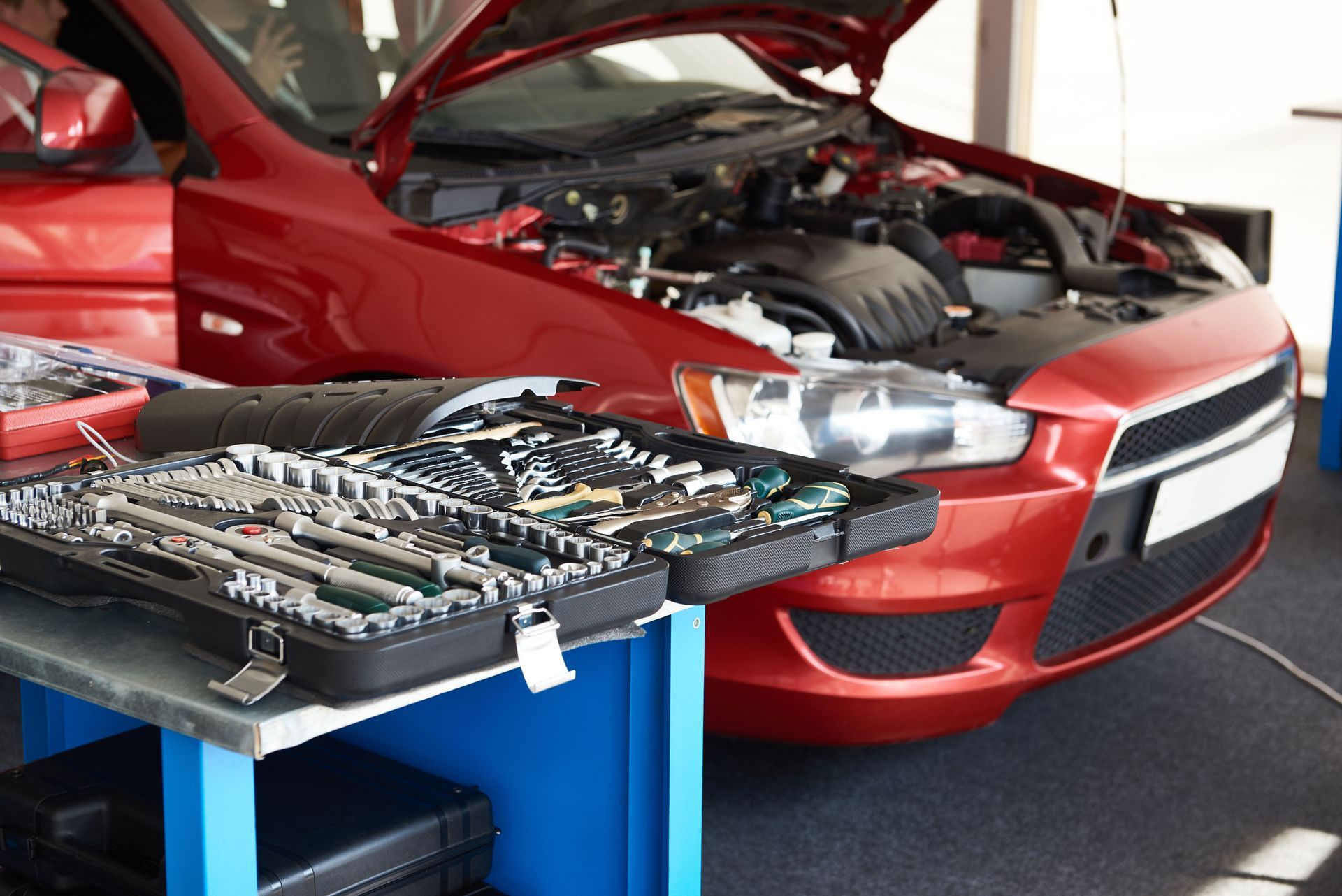
While some car owners may consider tackling minor repairs themselves, it's crucial to weigh the complexity of the task at hand. Professional services offer the advantage of experienced and trained technicians armed with specialized equipment and tools. DIY repairs come with the risk of improper handling, which could lead to further damage. The $92.1 billion value of the U.S. auto mechanics industry in 2026, according to IBISWorld, highlights the trend that car owners increasingly rely on professional services. For Porsche owners, choosing professional Porsche repair work is advisable for optimal results, especially for complex issues.
2. Electrical System Failures
2.1 Battery Draining Issues
Battery issues are quite common in Porsche vehicles and can lead to frustrating situations such as the car not starting. Factors contributing to battery drainage include parasitic power drains and faulty alternators. Regular testing and replacement of old or underperforming batteries help maintain optimal performance. Drivers can mitigate these issues by ensuring that the battery is checked during routine services. Addressing battery drains early can prevent future inconveniences associated with unexpected power failures.
2.2 Faulty Sensors and Warning Lights
Modern vehicles rely heavily on a network of sensors and electronic control units. Malfunctioning sensors can lead to inaccuracies in engine performance and unexpected warning lights on the dashboard. These warning lights indicate that the vehicle's systems require immediate attention to prevent further complications. Regular checks help ensure sensors function correctly, promoting safe and optimal vehicle operation. Identifying and replacing faulty sensors can avert a costly Porsche repair down the line.
2.3 Start-Up and Ignition Problems
Ignition issues can significantly affect the drivability of a vehicle. Faulty ignition coils, spark plugs, or starter motors often trigger these problems. Replacing worn-out parts as part of preventive maintenance ensures the ignition system functions correctly. A reliable start-up is critical, especially for ensuring smooth journeys and avoiding unexpected breakdowns. With regular inspections, Porsche owners can avoid recurring ignition problems and maintain the car's reliability.
2.4 Wiring and Connectivity Concerns
Electrical systems in Porsche vehicles are complex and increasingly sophisticated. Wiring issues can lead to malfunctions in various vehicle components, impacting functions that rely on electrical connectivity. Symptoms of wiring problems include flickering lights or non-responsive features. Regular inspections and addressing these issues promptly can minimize long-term electrical failures. Clean and well-organized wiring systems ensure all components receive stable power, maintaining overall vehicle performance.
2.5 Electrical Component Upgrades
Owners eager to modernize their vehicles often opt for upgrades to the electrical systems. This includes updates to the infotainment systems, lighting, and even autonomous driving features. Replacing outdated components can significantly enhance the driving experience and safety features of a Porsche. With technological advancements, newer systems offer better efficiency and reliability. As such, routine reviews of electronic components are necessary to determine potential upgrades, enhancing vehicle functionality and safety.
3. Brake System Overhauls
3.1 Brake Pad and Rotor Wear
Brake issues are among the most frequent concerns for vehicle owners. Brake pads and rotors naturally wear down over time due to regular use. Indicators of brake wear include squeaking sounds and reduced stopping power. Replacing worn components with a Porsche repair service is essential to maintain braking efficiency and ensure road safety.
3.2 ABS System Malfunctions
The Anti-lock Braking System (ABS) is crucial for preventing wheel lock during hard braking. Faults within this system can lead to poor handling and increased stopping distances, compromising safety. Common issues involve sensor malfunctions or electronic control unit errors. Professional diagnosis is recommended, as ABS repairs often involve complex electronic systems requiring specialized attention.
3.3 Brake Fluid Maintenance
The effectiveness of the brake system heavily relies on having the correct levels and quality of brake fluid. Fluid levels can diminish over time or become contaminated, impacting braking performance. Routine checks and replacements of brake fluid are vital in maintaining a responsive braking system. Porsche owners should follow the manufacturer's guidelines concerning brake fluid maintenance.
3.4 Signs of Brake Failure
Recognizing early signs of brake failure is essential in avoiding accidents or extensive damage. Symptoms include unusual noises, vibrations, or a slack feeling when applying the brake pedal. These signs suggest the need for immediate professional evaluation and intervention. Ignoring these warnings can lead to brake system failure, endangering both the driver and others on the road.
3.5 Professional Brake Servicing
Maintaining a vehicle's brake system is a critical responsibility that often requires a professional touch. While replacing brake pads might seem easy for some, complex systems like ABS require expert skills and diagnostic tools. Professional technicians offer precise services that minimize the risk of incorrect installations or overlooked issues. DIY attempts can be risky, as improper brake work can jeopardize safety.
Maintaining the integrity of Porsche components through regular maintenance and repairs is crucial for maximizing both performance and longevity. Each area covered, from engine issues to exhaust concerns, emphasizes that proactive care leads to fewer unexpected repairs and sustained vehicle value. Call K&L European Automotive today for Porsche repair.