July 20, 2026
For many owners, the line between routine upkeep and complex diagnostic work seems blurry. You might pull into a shop expecting a fluid top-off, only to discover your vehicle requires specialized intervention to remain roadworthy. Understanding this distinction is essential for preserving your investment over time. While basic upkeep keeps things running smoothly on the surface, advanced mechanical work addresses deep-seated issues that require specialized mastery.
Every vehicle operates as an interconnected ecosystem where minor maintenance tasks shield components from wear. However, when those shielding mechanisms fail, or components reach the end of their operational lifespan, standard maintenance is no longer sufficient. This is the precise moment where professional automotive repairs become necessary to restore the structural and operational integrity of your vehicle. Simple oil changes or tire rotations will not solve underlying failures within complex modern systems.
Drivers frequently mistake comprehensive diagnostic troubleshooting for simple, everyday checkups. This misconception can lead to neglected underlying faults that quietly compromise long-term performance. Realizing that maintenance is preventive while true restoration is corrective allows drivers to make highly informed decisions regarding their vehicle's care.
Diagnosing Complex Electrical Systems
Modern vehicles operate as rolling computers, containing dozens of interconnected microprocessors governing everything from engine timing to emergency braking. When a warning light illuminates, it rarely points to a single, easily replaceable component. Instead, master technicians must utilize advanced telemetry and factory-grade diagnostic software to isolate the root cause of these digital anomalies. This level of intervention represents the true standard of professional automotive repairs rather than basic system checks.
An amateur might pull a generic trouble code from an inexpensive scanner and assume the solution is straightforward. However, interpreting that digital data requires a deep understanding of multiplexing and network communications within the electrical architecture. A single frayed wire or a corroded ground connection can trigger false error codes across completely unrelated systems. Dissecting these intricate networks demands specialized testing that standard maintenance procedures do not cover.
Furthermore, resolving digital malfunctions involves precise programming and module flashing that generic software platforms cannot perform. If a technician installs a new control module without properly coding it to the vehicle's central network, the car may refuse to start. These delicate software synchronizations highlight why complex electrical automotive repairs require specialized expertise and dedicated equipment. Drivers who bypass this level of expertise often cause irreversible damage to sensitive internal computers.
Rebuilding Intricate Mechanical Assemblies
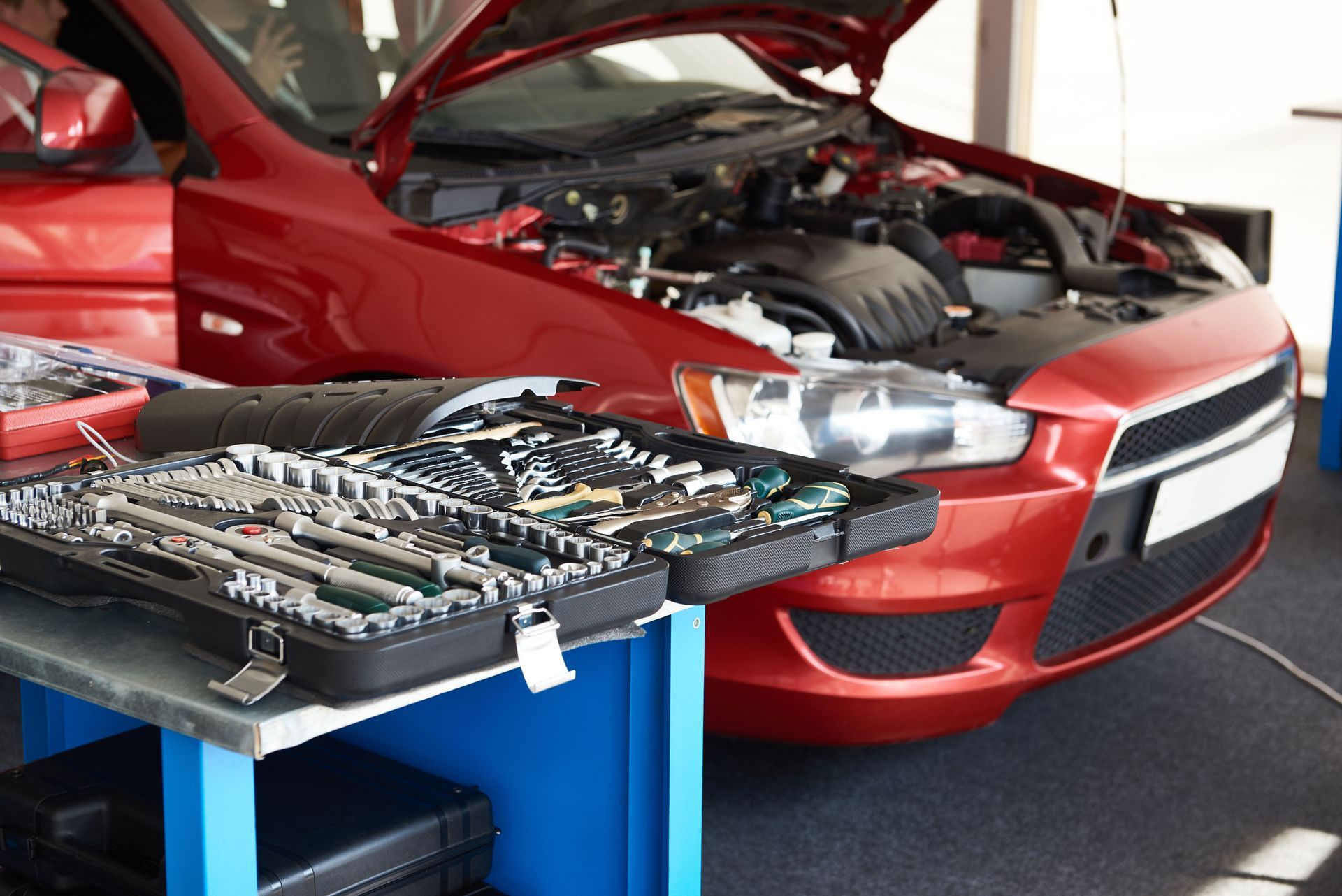
When major components like transmissions, engine blocks, or steering racks suffer severe damage, basic servicing protocols become completely obsolete. These complex situations demand comprehensive automotive repairs that involve completely dismantling, measuring, and replacing internal components to exact factory tolerances. A technician working within these heavy mechanical systems must possess a vast library of specialized tools, including precision micrometers and digital torque wrenches. Without these instruments, achieving the necessary structural fitment is entirely impossible.
Neglecting minor warnings can rapidly accelerate the degradation of these core assemblies over time. According to Kelley Blue Book, vehicles should be thoroughly inspected by a qualified mechanic at least once a year to identify potential issues before they develop into catastrophic failures. This evaluation provides a crucial baseline for determining whether your vehicle requires simple adjustments or extensive mechanical overhauls. Catching an oil leak early can save owners thousands of dollars in emergency breakdown costs.
Misaligning a bearing or over-tightening a critical bolt by a mere fraction of an inch can cause total engine destruction within minutes. This meticulous restoration of physical and mechanical integrity is what truly separates a master technician from a general quick-lube operator. The physical stamina and cognitive sharpness required to execute these complex automotive repairs are developed over years of dedicated hands-on experience. Consequently, these heavy mechanical restorations represent the highest tier of technical mastery in the industry.
Executing Specialized Calibration Protocols
Advanced Driver Assistance Systems have fundamentally changed how modern vehicles interact with the surrounding environment. Features like adaptive cruise control, lane-keep assist, and automatic emergency braking rely heavily on a delicate web of radar sensors, sonar, and cameras. Following windshield replacements, collision work, or even standard wheel alignments, these safety systems require precise physical and digital recalibration. Without these critical automotive repairs, your vehicle's onboard safety features could easily misinterpret the driving environment and initiate dangerous, unexpected maneuvers on the road.
The calibration process itself is a rigorous discipline that requires a controlled environment to ensure total accuracy. Technicians must utilize specific geometric targets, perfectly level floors, and specialized software environments to realign the cameras and radar sensors. This level of precision goes far beyond traditional mechanical maintenance and requires extensive specialized training.
Many vehicle owners remain unaware that simple suspension modifications or body repairs can throw these sensitive safety systems out of alignment. Driving a vehicle with uncalibrated safety sensors puts everyone on the road at significant risk during daily commutes. True professionals possess the dedicated equipment and diagnostic licensing necessary to execute these sensitive procedures safely. Ensuring these systems are perfectly aligned is a cornerstone of modern vehicular safety and technical excellence.
Sourcing Engineering-Grade Replacement Parts
The durability of any mechanical fix is dependent on the structural integrity of the components utilized during the rebuilding process. Standard maintenance tasks often rely on generic, budget-friendly components designed to fit a wide array of different vehicle makes and models. In contrast, high-end automotive repairs mandate the exclusive use of Original Equipment Manufacturer or top-tier components engineered specifically for your exact vehicle platform. These premium parts precisely match the exact metallurgy, dimensions, and performance characteristics specified by the factory engineering team.
Opting for cheaper, universal aftermarket components frequently leads to premature part failure and unexpected compatibility issues with surrounding systems. A generic sensor might send slightly inaccurate voltage signals to the engine computer, triggering warning lights and reduced fuel efficiency. Substandard components can accelerate adjacent wear, leading to a compounding cycle of mechanical breakdowns. Professional facilities refuse to compromise on part quality because they understand that a repair is only as strong as its weakest component.
Using premium, vehicle-specific components also preserves the factory warranty and helps maintain the maximum resale value of your automotive investment. When a discerning buyer looks through a vehicle's service history, seeing documentation of high-quality components inspires immense confidence. This meticulous attention to part selection reflects a commitment to restoring the vehicle to its original factory performance standards. It ensures that the fixed system integrates flawlessly with the rest of the car.
Navigating the complexities of modern vehicular technology requires a clear acknowledgment that basic maintenance and advanced mechanical intervention are two entirely different disciplines. While oil changes and tire rotations are vital for preventing premature wear, they cannot fix broken components or resolve deep systemic failures. Investing in professional
automotive repairs when problems arise ensures your vehicle maintains its factory-intended safety margins and resale value. By trusting your car to highly trained specialists, you protect yourself from the compounding costs of sub-standard work.
We invite you to experience the peace of mind that comes with precise, dealership-level craftsmanship by scheduling your next service with our team. At K&L European Automotive, we bring decades of specialized expertise, factory diagnostic tools, and uncompromised precision to every vehicle that enters our service bays. Contact us today to secure an appointment and ensure your premium vehicle receives the elite care it deserves.